Find out more about your options for bariatric surgery and take the very first step in your bariatric journey by registering for a free seminar.
Oklahoma City Seminars Tulsa Seminars

When you choose weight-loss surgery, you want a team of dedicated and experienced experts with your best health outcomes in mind. At OU Health, you benefit from a multidisciplinary team of medical weight loss specialists ready to help you at every step of your journey toward a healthier life.
No matter where you live in Oklahoma or throughout the region, you can take advantage of the skilled metabolic and bariatric surgery experts at OU Health in Oklahoma City and Tulsa.
You’ll receive guidance from a highly trained metabolic and bariatric surgery team that helps you navigate the approval and preparation process for a successful procedure and performs the appropriate operation to help you achieve your goals. After surgery, you also benefit from extensive support for lifestyle and nutrition changes that assist you in keeping the weight off and staying healthy.
To help you and your doctor determine the best options for your particular situation, take advantage of a virtual informational seminar with OU Health bariatric surgeons where you’re guided through the process of preparing for and undergoing a procedure.
Seminars cover the various options for losing weight and what to expect if you choose surgery or medical intervention. In addition, when you receive proper guidance and support for life after your surgery, you’re more likely to achieve and maintain successful weight loss. The OU Health team of dietitians, physical therapists and behavioral health specialists help you learn smart eating habits and get physically fit while creating a healthful lifestyle.
Find out more about your options for bariatric surgery and take the very first step in your bariatric journey by registering for a free seminar.
Oklahoma City Seminars Tulsa SeminarsAs you and your OU Health bariatric surgery team assess your options, you’ll learn about the most typical surgical procedures, including Roux-en-Y gastric bypass and sleeve gastrectomy, performed with minimally invasive, laparoscopic approaches that reduce incision size and help ease your recovery.
In this procedure, your surgeon divides the stomach into two sections, with the smaller portion (pouch) surgically attached to a lower area of the small intestine. The newly created stomach pouch can only accommodate smaller quantities of food.
During sleeve gastrectomy, your surgeon makes a few small incisions in your abdomen and removes 70 to 80 percent of the stomach. Staples in the remaining stomach portion forming a small, oblong tube called the sleeve that connects the esophagus to the small intestine functions as the new, much smaller stomach. Like bypass surgery, sleeve gastrectomy significantly reduces the quantity of food the stomach can accommodate.
The duodenal switch combines a sleeve gastrectomy with an intestinal bypass for maximum weight loss. This procedure limits food intake and significantly reduces calorie absorption, making it one of the most effective options for improving obesity-related conditions like diabetes and high blood pressure.
SADI-S is a newer approach that pairs sleeve gastrectomy with a single intestinal bypass. SADI-S offers strong weight-loss results with fewer surgical connections, reducing the risk of complications while improving long-term outcomes for patients with severe obesity.
Endoscopic sleeve gastroplasty is a minimally invasive, non-surgical procedure performed through an endoscope. By reducing the size of the stomach without incisions, it helps patients feel full sooner and eat less — ideal for those seeking a less invasive option with a quicker recovery.
For patients who have regained weight after a previous gastric bypass procedure, transoral outlet reduction (TORe) may offer a minimally invasive treatment option. Over time, the connection between the stomach pouch and small intestine can enlarge, allowing food to pass through more quickly and reducing feelings of fullness. TORe is performed through the mouth using an endoscope, allowing your physician to reduce the size of this opening without external incisions. By helping you feel full sooner and stay satisfied longer, TORe can support renewed weight loss and help patients get back on track toward their long-term health goals. TORe may also benefit some patients experiencing complications after gastric bypass, including dumping syndrome or postprandial hypoglycemia (low blood sugar after eating), by slowing the passage of food from the stomach and improving symptom control. TORe is typically performed on an outpatient basis and may be an alternative to surgical revision for appropriate candidates.
Before you receive approval for surgery, your OU Health metabolic physicians calculate and consider your body mass index (BMI).
With a BMI of 40 or higher (obese) or a BMI between 35 and 39.9 (overweight), the excess weight can cause other health conditions such as Type 2 diabetes, high blood pressure and sleep apnea.
Even with a BMI between 30 and 34, and serious health problems related to weight, you may be a candidate for bariatric surgery.
A comprehensive physical evaluation at OU Health helps ensure you’re healthy enough for surgery and recovery. Before approving weight loss surgery, your doctor requires many of the following medical tests, including:
In addition to obesity treatment and weight-loss surgery, our team also evaluates and treats certain complex gastrointestinal and metabolic conditions, including gastroparesis (delayed stomach emptying).
Depending on your specific bariatric surgery procedure, you’ll need to learn new nutritional habits after weight loss surgery. Trust the registered dietitians and nutritionists on your OU Health bariatric surgery team in Oklahoma City and Tulsa to help you create new habits for weight loss success and to follow up with you about your progress.
For successful weight loss and the best health benefits, you’ll receive expert advice on how to eat for the first few weeks following bariatric surgery. After starting with only liquids for a few weeks, you’ll move to pureed foods and regular foods, although with several restrictions.
You’ll work with the weight loss and metabolic professionals at OU Health to ensure a safe bariatric surgery procedure followed by comprehensive, ongoing monitoring for optimal results.
At OU Health, your multidisciplinary metabolic and bariatric surgery care team brings together many healthcare professionals to focus on your individual situation and develop a personalized plan to meet your specific needs.
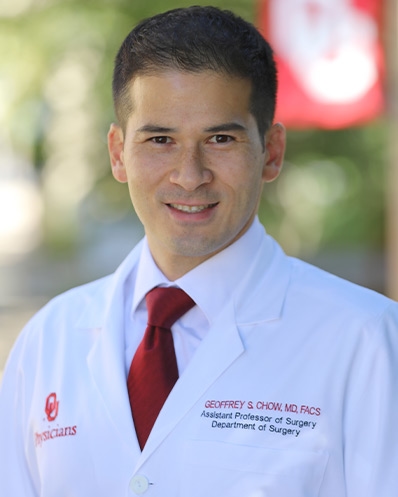
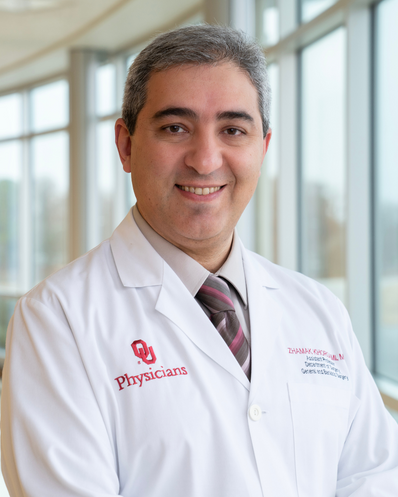
Your team members include board-certified surgeons,obesity management physicians, physical therapists, dietitians, behavioral health specialists and internal medicine providers who collaborate with you to achieve the best possible outcomes for your situation.


By attending the OKC Virtual Weight Loss & Bariatric Surgery seminar, you are taking the first steps ...
View Event Details
By attending the Tulsa Virtual Weight Loss & Bariatric Surgery seminar, you are taking the first steps ...
View Event Details



.jpg)