Oklahoma’s Trauma Leaders: How OU Health Supports the Entire State
- Category: Blog
- Posted On:

Oklahoma spans nearly 70,000 square miles of diverse terrain, from rural farmlands to urban centers, with millions of residents and travelers moving across its highways daily. From the 75,000 vehicle crashes annually, industrial accidents, or natural disasters that frequently impact the state, minutes matter. For trauma patients, where they receive care often determines whether they survive.
While many hospitals provide emergency services, not all are equipped to handle life-threatening injuries. Of the state's 140-plus hospitals, only one stands ready with the complete spectrum of trauma capabilities verified by the nation's most rigorous standards.
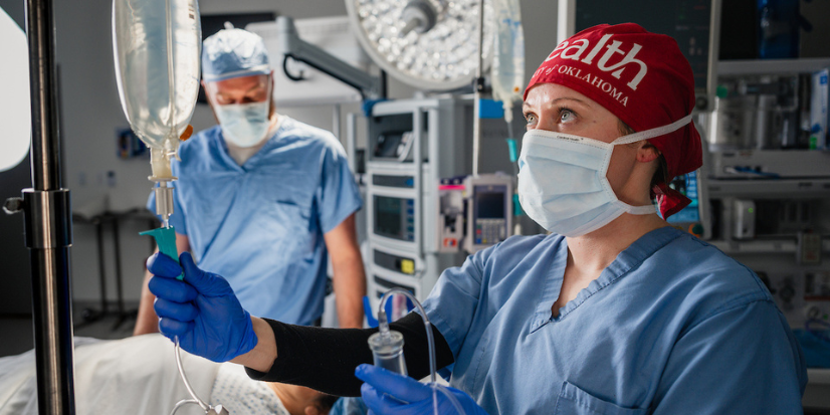
That's where OU Health's Level I Trauma Center comes in. As Oklahoma's leading American College of Surgeons (ACS)-verified Level I trauma center, OU Health serves as the state's ultimate safety net for the most critically injured patients. With 10 double-boarded trauma surgeons, four orthopedic trauma specialists, and dedicated neurosurgical teams available 24/7, the center handled thousands of trauma patients last year alone, including nearly 2,000 traumatic brain injuries that required the highest level of specialized care.
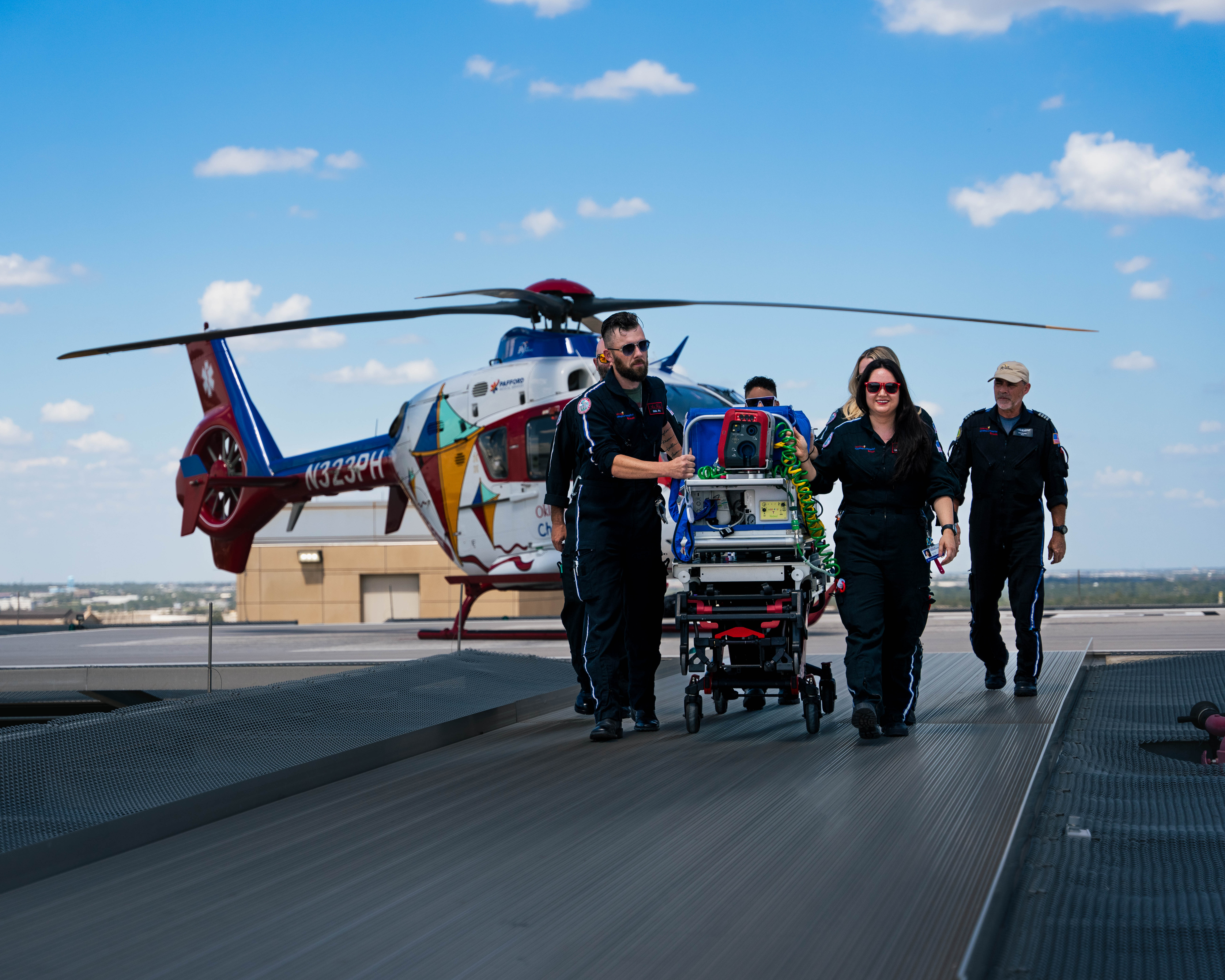
Through a statewide trauma network, OU Health works alongside rural hospitals, EMS teams, and air ambulance services to ensure that trauma patients across Oklahoma receive the right care at the right place. When seconds count, this system ensures Oklahomans from Guymon to Idabel have access to the same world-class trauma care.
 Why a Statewide Trauma Network Matters
When a severe injury occurs in rural Oklahoma, EMS teams and local hospitals must make split-second decisions about where to send a patient. The wrong choice can waste valuable time, leading to avoidable deaths or permanent disabilities.
"We take care of Oklahomans in their worst times," said OU Health Level I Trauma Center Director Dr. Alisa Cross, M.D., FACS, associate professor in the Department of Surgery at the University of Oklahoma College of Medicine. "We've built our program to ensure that no matter where you're injured in the state, there's a clear pathway to get you the specialized care you need."
OU Health plays a vital role in making sure that every hospital and first responder in Oklahoma knows where to send their most critical trauma cases, even from hundreds of miles away. This coordination ensures that patients don't lose precious time being transferred between facilities that lack the necessary specialists or resources.
"Not every hospital in Oklahoma can handle Level I trauma cases," said Dr. Cross. "But what's important is that every hospital has a plan to get those patients to us when needed."
This system was put to the test during the devastating Moore tornadoes in 2013, when OU Health's trauma center received 91 injured patients in under three hours. The center's ability to mobilize 50-plus surgeons and more than 100 nurses within an hour while keeping operating rooms running continuously demonstrated why having verified trauma capabilities matters for the entire state.
How OU Health Supports Trauma Care Statewide
- Supporting Rural & Community Hospitals
Many smaller hospitals in Oklahoma lack the specialists, equipment, and resources to handle major trauma cases. But instead of leaving them isolated, OU Health acts as a partner, offering guidance and rapid transfer options.
- 24/7 Trauma Consultations: Rural hospitals can call OU Health’s trauma surgeons anytime to get immediate advice on how to stabilize critical patients before transfer
- Dedicated Transfer Center: A specialized team at OU Health coordinates patient transfers, ensuring they arrive as quickly as possible without unnecessary delays.
- Education & Training: OU Health provides trauma care education to rural physicians and ER teams, helping them recognize when a patient needs to be transferred immediately.
Why It Matters: A small-town ER doctor may only see a handful of major trauma cases per year, but with OU Health as a resource, they’re never alone in decisions.
- Leading Oklahoma’s Trauma Registry & Data Collection
Tracking where, how, and why trauma cases occur helps improve emergency response before the next critical injury happens.
- Statewide Trauma Database: OU Health analyzes thousands of trauma cases per year, helping identify patterns in injury causes, response times, and outcomes
- Improving Rural Trauma Response: By studying trauma data, OU Health helps rural hospitals and EMS teams adjust their protocols to improve survival rates.
- Advocating for System Improvements: When data shows gaps in Oklahoma’s trauma system, OU Health works with state officials to implement policy changes that enhance patient care.
Why It Matters: The trauma network isn’t just about treating injuries today—it’s about constantly improving the system to save more lives in the future.
- Preventing Trauma & Preparing for Disasters
OU Health isn’t just focused on treating trauma. It works to prevent injuries in adults and pediatric trauma and ensure Oklahoma is prepared for large-scale emergencies. Through community education, injury prevention programs, and disaster response exercises, OU Health plays a vital role in safeguarding lives before and after critical incidents.
- Disaster Preparedness & Emergency Response OU Health actively participates in and hosts disaster response exercises at local, state, and federal levels, ensuring readiness for mass casualty events. These exercises bring together hospitals, emergency responders, and government agencies to assess response capabilities and improve coordination.
- Injury Prevention & Community Outreach Preventing trauma is just as important as treating it. OU Health takes a proactive approach to reducing preventable injuries and educating the community on life-saving skills. From programs like Stop the Bleed to outreach and training in burn care to regular training exercises that ensure a state of readiness, OU Health is always seeking opportunities to improve. Community partners and community health systems are invited to engage in these exercises to help keep Oklahoma safe.
Why It Matters: By investing in both prevention and preparedness, OU Health is helping to build a safer Oklahoma. Whether through large-scale disaster drills or hands-on injury prevention programs, these efforts ensure communities are equipped to respond effectively and reduce the impact of trauma before it happens.
The Power of a Coordinated Trauma System
OU Health isn’t just Oklahoma’s leading Level I trauma center, it’s also the leader in building a statewide trauma system that ensures no patient is left behind, no matter where they are injured.
"We don’t just serve Oklahoma City, we serve the entire state," said Dr. Cross. "If you’re severely injured anywhere in Oklahoma, we’re the team that will fight to save you."
Learn more about trauma and injury care at OU Health’s Level I Trauma Center.
Update: In July 2025, Ascension St. John Medical Center in Tulsa, Okla., joined OU Health in receiving ACS verification as a Level I Trauma Center.