Find out more about your options for care, get a second opinion
or make an appointment with one of our specialists.

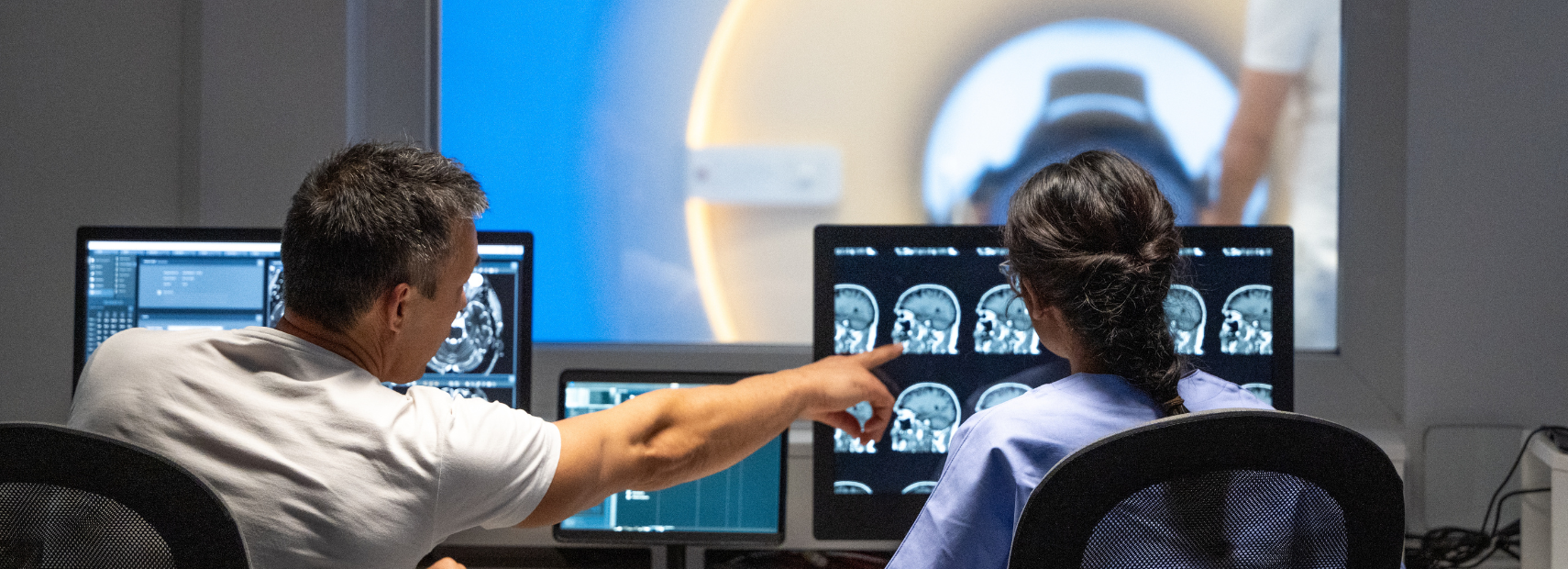
If you or a loved one is experiencing a Chiari malformation — a condition
affecting the cerebellum at the base of the brain — you want prompt
attention and expert care. At OU Health, our neurosciences team brings
together neurology and neurosurgery to deliver advanced diagnosis and
treatment.
The OU Health Chiari Clinic specializes in diagnosing and treating adults
with Chiari malformations. Our specialist provides a comprehensive evaluation
and personalized treatment plan, with long‑term follow‑up care supported
by neurology, pain medicine, rheumatology, and genetics providers.
There are four types of Chiari malformation. They are based on how severe the condition is and how much of the brain is affected:
The symptoms of a Chiari malformation may vary person to person. The main symptom of a Chiari malformation is a headache, especially at the back of the head or neck. This pain may be worse after sudden coughing, sneezing, or straining. Other Chiari malformation symptoms include:
Symptoms of Chiari malformations in babies may look like other health problems such as, trouble feeding, may cry a lot or may not develop or grow correctly.
Find out more about your options for care, get a second opinion
or make an appointment with one of our specialists.
Chiari I malformation is likely the result of a mutation in a gene that happens during fetal growth and is present at birth (congenital). This most commonly happens randomly, but can be associated in families. This can lead to the lower back part of the skull (posterior fossa) to be to be smaller the normal. Sometimes, a Chiari malformation can occur in someone who was not born with the condition. This can happen due to a brain injury, a disease, a tumor, or an infection.
A Chiari malformation is fairly common and is found 1 in 250 people. It is often diagnosed by accident during imaging tests done for things like injuries or headaches. Diagnostic tests may include one or more of the following:
Treatment for Chiari malformation depends on the specific type. Regular checkups and imaging tests, such as MRIs, help you and your care team decide on the best treatment plan based on your individual needs.
Treatment options may include pain relivers and/or surgery. Medicines like nonsteroidal anti-inflammatory drugs (NSAIDs) and muscle relaxers can ease headaches and neck pain.
Surgery may be recommended after a thorough evaluation. The specific surgical procedure will depend on each patient’s symptoms, type of Chiari malformation, anatomy, and imaging results. Surgical treatment may include:
At the OU Health Chiari Clinic, housed within our Neurosurgery Clinic, you benefit from expert care for Chiari malformations whether newly diagnosed, previously diagnosed or following previous surgery. Our dedicated Chiari specialist is committed to providing the highest quality care and treatment for individuals with this condition. Through a multidisciplinary approach, we collaborate with other OU Health specialties such as neurology, pain management, rheumatology, and genetics to ensure a thorough and comprehensive evaluation.