How CAR-T Cell Therapy Helped an Oklahoma Rancher Overcome Aggressive Blood Cancer
- Category: Blog
- Posted On:

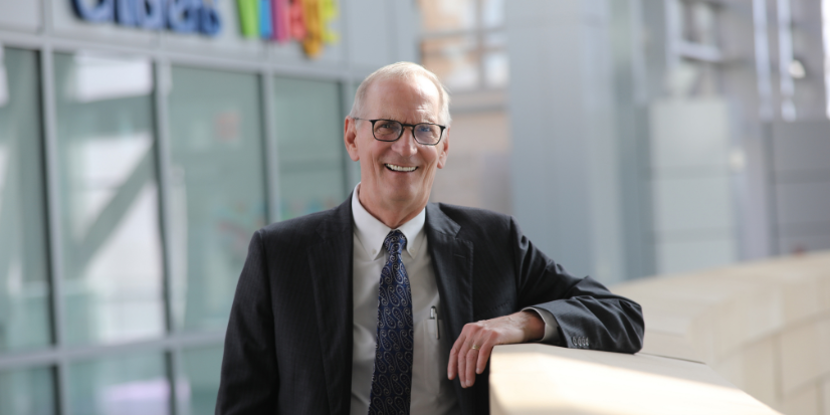
Danny Millar, a rancher and longtime veterinarian at Remington Park racetrack in Oklahoma City, knows a lot about endurance. Not only has he worked at Remington Park since its opening day in 1988, but he has also owned and managed three horse ranches. The strength and grit that shaped his life prepared him for the health battle that came next.
A Shocking Diagnosis
“It was around 25 years ago, and I had these little bumps on my neck,” Danny recalled. “My neighbor, who works in healthcare, said, ‘Let’s get that checked out.’”
The results were not what Danny expected. He was diagnosed with a type of blood cancer called follicular lymphoma, which usually grows slowly in the beginning but at the same time, is very difficult to cure. His disease followed a typical pattern of frequent relapses that required repeated courses of chemotherapy and other cancer treatments. With each recurrence, the period of remission became progressively shorter.
“I had chemotherapy around five times over the years,” explained Danny. “Every three or four years, I’d have chemotherapy for a week. It just became part of life.”
Cancer Takes a Tougher Turn
For many years, the treatment kept Danny’s cancer under control, allowing him to lead a relatively normal life. But after a severe gallbladder attack in 2023, everything changed.
“After a few days in the emergency room with gallbladder attacks, they decided to remove my gallbladder,” Danny recalled. “That’s when my oncologist noticed one of my lymph nodes had grown significantly.”
A biopsy of the large, suspicious mass located deep in the abdomen (retroperitoneum) showed large B-cell lymphoma. It turned out to be a transformation from his earlier follicular lymphoma into a more dangerous form. The difference is stark: While follicular lymphoma has an 80% five-year survival rate, in transformed cases like Danny’s, it drops to around 40–50%.
Danny’s oncologist didn’t sugarcoat it.
“He told me, ‘This one’s bad,’” Danny recalled. “He said it’s not like the follicular stuff I was living with, and he couldn’t treat it. But he said there was a new treatment called CAR-T, and there are experts in Oklahoma who could help.”
Danny’s oncologist referred him to OU Health Stephenson Cancer Center.
What is CAR-T Cell Therapy?
Chimeric antigen receptor T-cell therapy (CAR-T cell therapy) is a type of gene and cellular immunotherapy that helps the immune system fight cancer more effectively. It works by taking a patient’s own T-cells — special white blood cells that normally help protect the body — and reprogramming them in a lab. These modified cells are given new tools called CARs (chimeric antigen receptors), which help them recognize and attack cancer cells better. This is especially helpful in cases where cancer has learned to hide from the immune system or weaken its response. Once returned to the patient’s body, they act like trained soldiers, seeking out and destroying cancer cells more efficiently.
As of 2025, CAR-T cell therapy is approved by the FDA for several types of blood cancers that haven’t responded to other treatments, including:
- B-cell acute lymphoblastic leukemia (ALL)
- Large B-cell lymphoma
- Mantle cell lymphoma
- Follicular lymphoma
- Multiple myeloma
- Chronic lymphocytic leukemia (CLL)
- Other cancers currently being studied in clinical trials
The therapy offers a promising option for patients whose cancers have not responded to chemotherapy or other conventional treatments.
CAR-T Cell Therapy Treatment
Hematologist-oncologist and expert in CAR-T cell therapy, Dr. Taha Al-Juhaishi, M.D., assistant professor of medicine in the Department of Hematology-Oncology at the University of Oklahoma College of Medicine, took over Danny’s case. Dr. Al-Juhaishi is also the associate chief medical officer for Cancer Services and associate director for hematopoietic cell transplantation cell therapy program.
From the first meeting with Dr. Al-Juhaishi at Stephenson Cancer Center in March, Danny was impressed. He wasn’t used to being given options.
“Dr. Al-Juhaishi said I had three options,” Danny explained. “Do nothing and I’d have about a year. Go back to the old chemo and I’d have maybe a couple years. Or try CAR-T. He told me there are some side effects that may come with the treatment. And I told him, ‘I’m a betting man. Just give me the CAR-T.’”
Because CAR-T cell treatment modifies the immune system in a very intense way, it can sometimes cause serious side effects. That’s why patients are closely monitored in the hospital for several days after receiving the therapy.
One of the most common risks is called cytokine release syndrome (CRS). This happens when the modified T-cells start attacking cancer cells and release a flood of immune signals called cytokines. This can cause flu-like symptoms such as fever, chills, low blood pressure, and muscle pain. Doctors are trained to manage it quickly
Another possible side effect is neurological problems. Some patients may experience confusion, headaches, difficulty speaking, or even seizures. These symptoms usually go away with treatment, but they can be scary.
After Danny’s immune cells were collected for CAR-T cell therapy, doctors needed to keep the lymphoma from progressing during the wait for the treatment to be ready. This is called bridging therapy — a temporary approach used to control the disease in the meantime.
Because his lymphoma was chemoresistant, meaning it didn’t respond well to standard chemotherapy, the team used a newer form of immunotherapy called bispecific T-cell engagers (BiTEs). These drugs help the immune system by linking T cells directly to cancer cells, making it easier for the body to attack the lymphoma.
“Stephenson Cancer Center has been a leader in using BiTEs, both in clinical trials and everyday care,” said Dr. Al-Juhaishi. “This gave Danny access to one of the most advanced treatment options available while he waited for his personalized CAR-T cell therapy.”
The treatment unfolded as Dr. Al-Juhaishi had warned it may. Danny ran a fever and experienced some neurological deficits, but both were successfully managed. He praised the care he received.
“Dr. Al-Juhaishi and his P.A. were phenomenal,” he said. “Everything they said could happen, happened, but I couldn’t have asked for better care from them.”
Back to What he Loves
Recovery took time. Danny was unable to drive for three months and had some ongoing neurological symptoms. But after taking the summer off work, he regained his strength and weekly blood draws showed steady improvement. And to everyone’s delight, Danny’s scans delivered the news they hoped for.
“After the first PET scan, they said, ‘No cancer’,” said Danny. “The second scan confirmed it. And amazingly, the follicular lymphoma’s gone too.”
Now 74, Danny remains active and grateful. “I’m months past the CAR-T therapy now and I’m feeling good. I’m still at the racetrack — still doing what I love.”
He credits Dr. Al-Juhaishi and his team for giving him another chance at life.
“They were just fabulous — every one of them. I had great care, and I’m thankful every day.”
OU Health for CAR-T Cell Therapy
“Stephenson Cancer Center has the only bone marrow transplant and CAR-T cell therapy program in the state,” shared Dr. Al-Juhaishi. “We offer both commercial products and clinical trials in various diseases. We have a highly experienced team and have the expertise to manage any complications.”
When facing a serious cancer diagnosis, Oklahomans deserve the most advanced care available, close to home. Stephenson Cancer Center is Oklahoma’s only CAR T-cell therapy program, offering a powerful treatment option for hard-to-treat blood cancers like large B-cell lymphoma and acute lymphoblastic leukemia.
CAR T-cell therapy is a highly specialized treatment that requires expert care and close monitoring. OU Health provides a comprehensive CAR-T process, from initial evaluation and blood collection to genetic modification of T-cells and infusion — all managed by a dedicated team of cancer specialists. Patients are supported every step of the way, with personalized care and access to the latest clinical trials.
Learn more about CAR-T advanced cellular therapy, make an appointment or seek a second opinion at Stephenson Cancer Center at (405) 271-1112.