New England Journal of Medicine Heralds OU Health Transformation as Oklahoma's Flagship Academic Health System
- Category: News
- Posted On:

NEJM Catalyst Innovations in Care Delivery, a publication of the New England Journal of Medicine, has published an in-depth account of OU Health's ongoing transformation as the state’s flagship academic health system, validating a vision that began five years ago to fully align the University of Oklahoma's education, research and clinical care missions to create one of Oklahoma’s most valued assets.
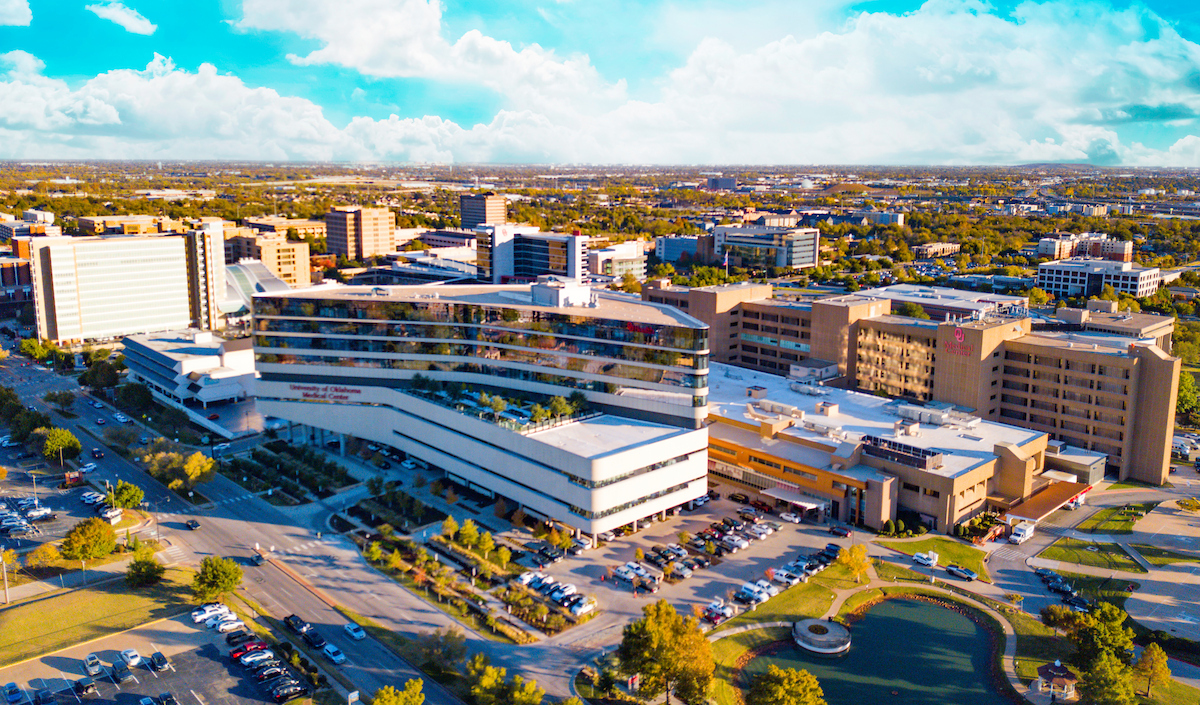
That alignment established OU Health as the state’s unparalleled resource for complex health care. Today, OU Health is a growing enterprise that sees nearly one million patients a year, providing Oklahoma’s largest array of specialists and subspecialists for the most complex cases and providing access to cutting-edge clinical trials, novel therapies and the latest medical advances.
 "In a remarkably short time, OU Health has made transformational progress that is changing outcomes for Oklahomans and advancing our academic health system's ability to serve communities across the state," said University of Oklahoma President Joseph Harroz Jr. "This recognition by the New England Journal of Medicine affirms what is possible when mission, leadership and culture are fully aligned. OU Health's turnaround reflects a renewed commitment to excellence in patient care, education and discovery, and most importantly, to the people of Oklahoma we are called to serve."
The article, "Turning Around an Academic Health System by Reshaping Culture and Improving Performance," highlights that these outcomes were only possible because of the foundational work that began with the 2021 merger, which unified OU Health under a single, academically driven structure and eliminated reliance on a for-profit system that sent profits out of state. This three-year effort addressed structural realities that had previously prevented success, creating the conditions necessary to recruit the exceptional leadership team who reshaped the organization’s culture, priorities and operations. This structural transformation was the essential first step that enabled the measurable improvements in patient care, safety, financial performance and statewide impact now recognized by the New England Journal of Medicine.
"This is about fulfilling the covenant the University of Oklahoma and OU Health made with this state: Oklahoma deserves a true academic health system," said Richard P. Lofgren, M.D., M.P.H., president and CEO of OU Health. "When education, research and clinical care work together, the result is better outcomes for patients, a stronger workforce and healthier communities. NEJM Catalyst confirms we are on the right path."
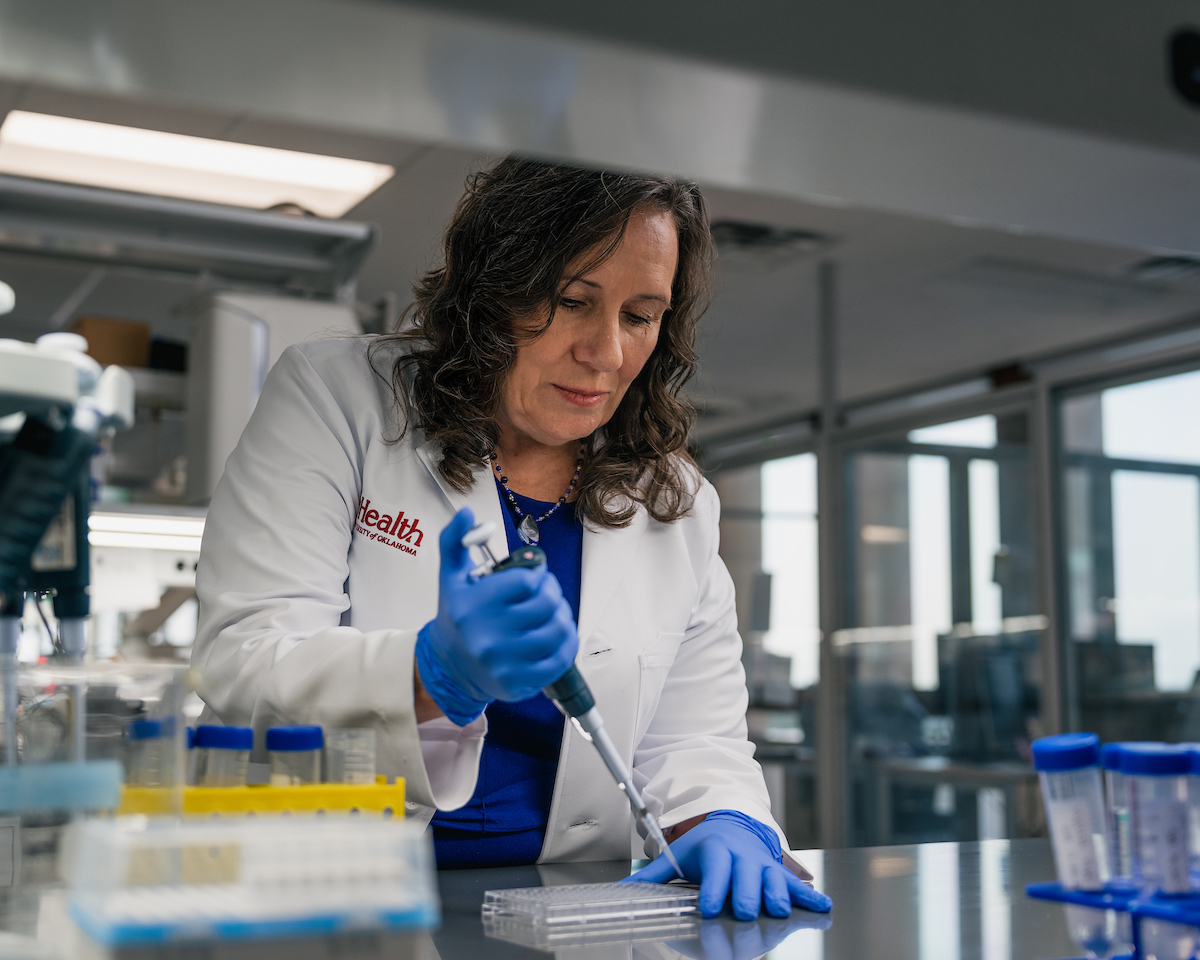 In addition to the financial turnaround and increasing investment in health-related research funding, other metrics reflect meaningful progress: reductions in hospital-acquired infections and mortality, an improved safety culture and rising patient volumes. In addition, community hospitals statewide increasingly rely on OU Health for specialty consultations, complex transfers and telemedicine access to subspecialists that bring expert, advanced care to patients close to home. The OU College of Medicine trains most of Oklahoma's physicians, many of whom remain in the state to practice, directly strengthening the statewide health care workforce.
With a strong leadership team in place and the health system’s finances on a solid upward trajectory, Harroz said there are plans to tackle new, health-related goals on behalf of the state: reducing statewide cancer mortality by 10 percent in the next five years and decreasing diabetes-related complications by 30 percent. OU Health’s presence continues to grow, with new facilities and expanded services at Stephenson Cancer Center in Norman and McAlester, and a new Tulsa location set to open in 2028. The University also is working toward doubling the number of patients enrolled in clinical trials to further improve the health outcomes across Oklahoma, and there is an increased commitment to expanding enrollment in health programs to help meet the state’s workforce needs with a focus on addressing the urgent shortage of healthcare providers in rural communities.