
After a Devastating Crash, a World-First Procedure Helped a Toddler Breathe on His Own
- Category: Blog
- Posted On:

When Brittany Zirfas and her 18-month-old son started their day, she never imagined they would both be fighting for their lives by the end of it.
In May 2025, Brittany was driving home with her son, Maverick, on a rural Missouri road when another driver crossed into their lane and hit them head-on. The crash left Brittany with dozens of fractures, collapsed lungs, and life-threatening injuries. She was pregnant at the time and lost her unborn daughter.
Maverick suffered catastrophic injuries of his own. The toddler sustained fractures high in his neck and a severe spinal cord injury. His heart stopped at the scene.
Bystanders pulled him from the vehicle and began CPR. For 10 to 15 minutes, they fought to keep him alive until first responders arrived and restored his heartbeat.
Doctors warned the family that if Maverick survived, he would likely never move his arms or legs, eat independently, or breathe on his own.
For months, Maverick depended on a ventilator to breathe. Then his parents began searching for other possibilities.
A Search for Hope
Throughout Maverick’s long hospital stays and surgeries, his father, Bryce, spent countless hours researching treatments that might improve his son’s quality of life.
“We weren’t content with that just being Mav’s quality of life,” Brittany said. “We wanted to look for any way to improve it.”
Their search eventually led them to Oklahoma Children’s OU Health and pediatric neurosurgeon Dr. Andrew Jea, M.D., MBA, MHA, FACS, FAAP, professor in the Department of Neurosurgery at the University of Oklahoma College of Medicine.
What Dr. Jea proposed had never been performed in a child of Maverick’s age.
At just over 2 years old, Maverick became the youngest patient in the world to undergo phrenic nerve stimulation — a procedure to help restore breathing — after a high cervical spinal cord injury.
Why Breathing Was Impossible
Maverick’s injury occurred near the top of his spinal cord. Although his diaphragm and lungs were healthy, the injury blocked signals from his brain to the phrenic nerves, the nerves that control breathing.
“The signals from the brain to get to the phrenic nerve were blocked,” Dr. Jea explained. “So he couldn’t breathe.”
The phrenic nerves originate in the neck, at the C3 through C5 spinal cord levels, and help control the diaphragm, the primary muscle used for breathing. When injuries occur above these levels, communication between the brain and diaphragm is disrupted, leaving patients dependent on a ventilator.
Creating a New Pathway
Rather than attempting to repair the damaged spinal cord, Dr. Jea’s team took a different approach.
During the surgery in January 2026, electrodes were implanted around Maverick’s phrenic nerves. The system sends electrical signals directly to the nerves, bypassing the injured section of the spinal cord and stimulating the diaphragm to contract.
“Our goal with this surgery was to bypass that area of injury,” Dr. Jea said. “To help send a signal through the phrenic nerve to the diaphragm for him to take a breath on his own.”
The procedure was intended to improve Maverick’s quality of life by reducing his dependence on a ventilator and allowing his diaphragm to do the work of breathing again.
Progress Few Thought Possible
Maverick received pacing therapy, a treatment that uses small electrical signals to help breathing muscles work. The results came quickly. Within weeks, he was spending entire days breathing with the support of the pacer instead of the ventilator. Today, he can go off the ventilator for stretches of time and continues working toward breathing on his own for even longer.
His family says the improvement extends beyond breathing. His lungs have expanded more normally, and his oxygen levels have improved. Everyday activities that once seemed impossible are now realistic goals.
“The quality of life is such an improvement for him,” Brittany said. “I wish more people knew about this procedure.”
Defying Expectations
 Maverick’s journey is far from over. He still lives with profound effects of his spinal cord injury, but many of the grim predictions made after the crash have not come true.
He communicates using an eye-gaze device. He can identify family members and favorite characters. He has shown intentional movement in all four of his limbs. He has tasted applesauce, bananas, and ice cream — milestones once thought impossible.
For his parents, every step forward matters.
“I feel like he’s continuously gone against the odds,” Brittany said. “He’s extremely strong and determined in his own way.”
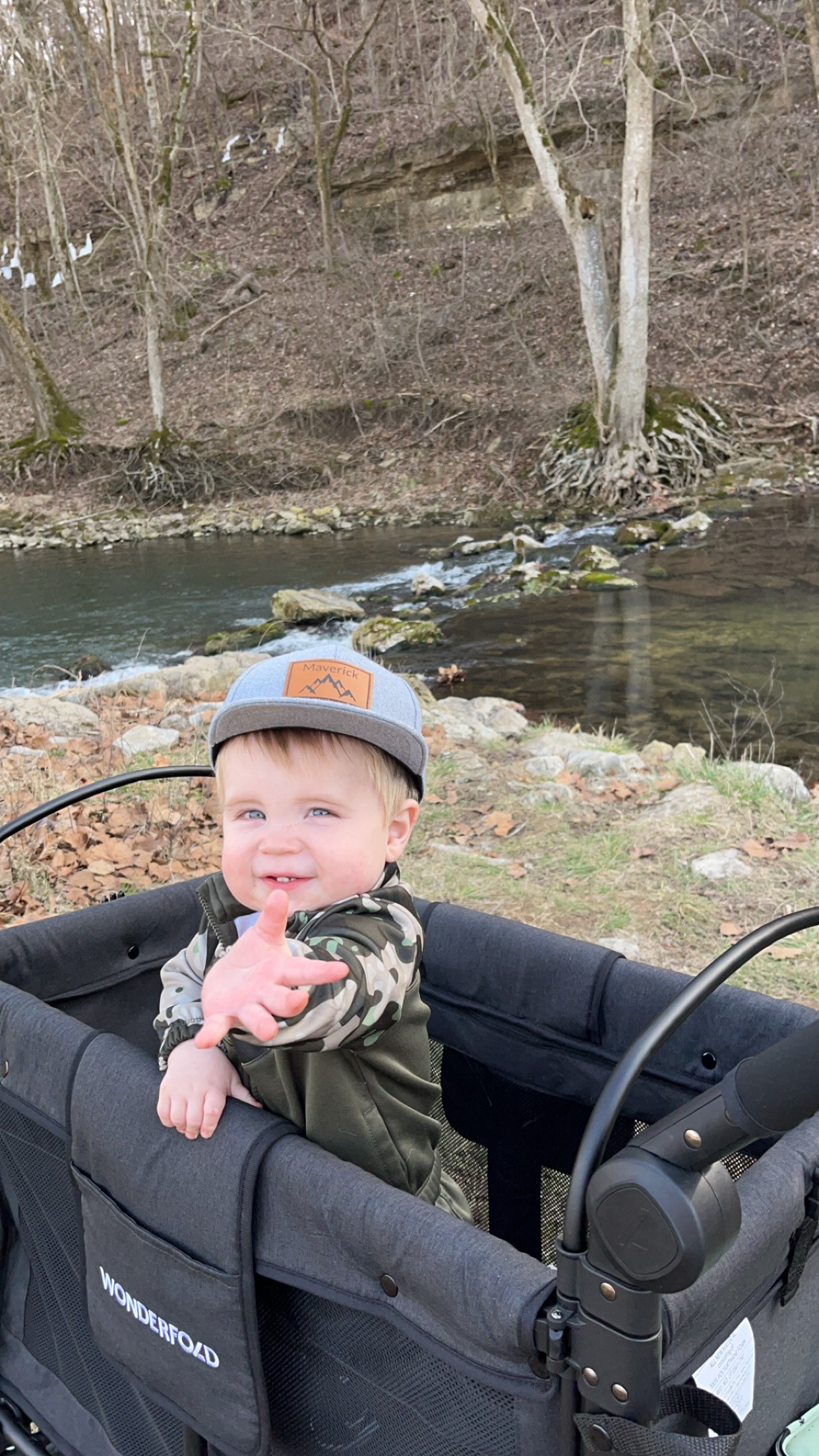 For Dr. Jea, Maverick’s case shows what becomes possible when experience, collaboration, and opportunity align.
“This was about recognizing an opportunity to help,” he said. “We had the experience, the collaboration, and the right patient.”
Today, a little boy who once could not take a single breath without a machine breathes with his own diaphragm — something few ever thought possible.
Advanced Care for Complex Pediatric Neurological Conditions
Children with complex neurological conditions often need highly specialized care and a team of experts across multiple disciplines.
At Oklahoma Children’s, pediatric neurosurgeons work alongside specialists in critical care, rehabilitation, pulmonology, and other pediatric specialties to evaluate and treat some of the most challenging conditions affecting the brain, spine, and nervous system.
As part of OU Health, the University of Oklahoma’s academic health system, Oklahoma Children’s offers access to advanced surgical techniques, emerging technologies, and specialized expertise that may not be available elsewhere in the region.
If your child has a complex spinal cord injury, brain condition, or other neurological disorder, our team can help identify the most advanced and appropriate treatment options.
To learn more about pediatric neurosurgery services or to make an appointment, go to Oklahoma Children’s pediatric neurosurgery team or call (572) 244-0048.

.png)
