New Research from the University of Oklahoma Offers Hope for Patients Experiencing “Chemo Brain” and Age-Related Memory Loss
- Posted On:
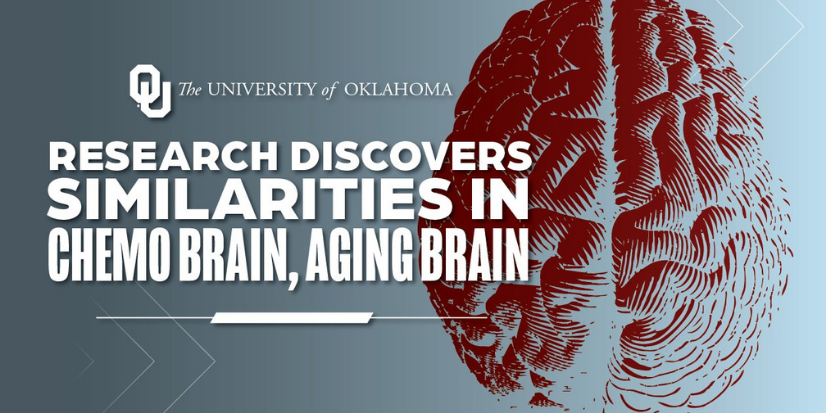
Chemotherapy can be lifesaving, however for many patients, it comes with lingering cognitive side effects like memory loss, difficulty focusing, and trouble learning. These symptoms, often called “chemo brain,” closely resemble the natural cognitive decline that comes with aging.
OU College of Medicine professor of neurosurgery Dr. Anna Csiszar and her research team have found that chemo and aging affect the brain in similar ways — and they may have found a promising solution.
By targeting and clearing out harmful “zombie cells,” a class of drugs known as senolytics could help improve memory, focus, and overall brain health. This approach has the potential to benefit not only cancer survivors, but also anyone experiencing age-related cognitive decline.
Even more exciting — researchers have identified a key window of opportunity around ages 50 to 55 when these treatments may be most effective in preventing long-term cognitive damage!
This breakthrough is a powerful example of how the joint clinical, research, and educational missions of OU Health and The University of Oklahoma are working together to improve lives. Though our team's expertise in cancer care, neuroscience, and aging as well as our commitment to training the next generation of physician-scientists, OU Health is leading the way toward better brain health for all.
Learn more about groundbreaking research from the University of Oklahoma that could help reverse “chemo brain” and age-related memory loss by targeting harmful brain cells with promising new treatments.
‘Chemo Brain’ and the Aging Brain: Researchers Examine Similarities in Search for Improved Cognition